The camel olive press: how beldi olive oil is made in Chiadma
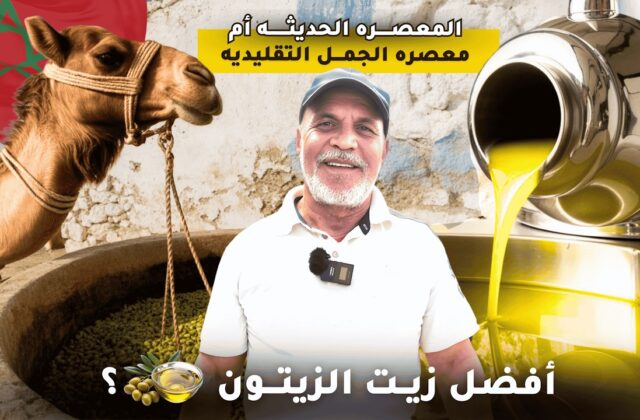
We went to the traditional camel-driven olive press at the Chiadma market: from harvested olives to beldi oil. The steps and a comparison with a modern press, on video.
Read the article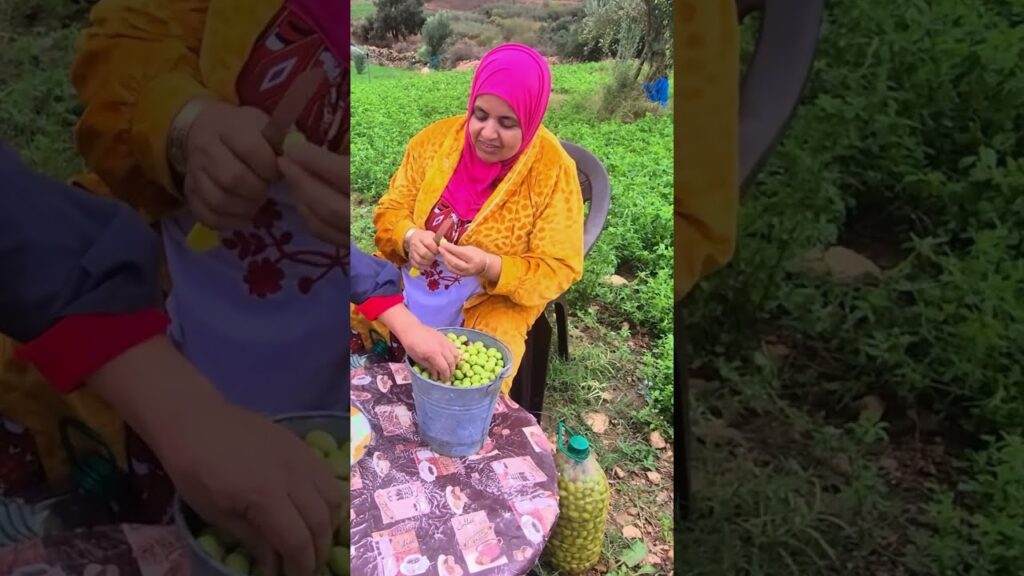
When autumn comes and the olives start changing colour on the trees, we know in the countryside that it’s time for the olive harvest. It isn’t just farm work: it’s a whole season that brings family and neighbours together, starting early in the morning in the olive groves and ending with a jar of fresh oil at home. In this article we tell you how we harvest olives here in Chiadma, when the right time is, and what to look out for if you want a good olive oil.
In this video we headed out to the olive grove as a family and spent a whole day picking olives by hand. We also ask you a question: how much do you think we gathered that day? Leave your answer in the comments on YouTube.
Harvest time varies from region to region and from year to year, depending on the rain and the summer heat. But generally in Morocco the harvest begins in autumn and finishes in winter. And farmers don’t just look at the calendar — they look at the olives themselves:
Our method is simple and old, and it relies on hands and patience:
Harvest day is long, so the food has to keep up. Once we made a tanjia in the wood-fired oven and let it cook while we worked; the full recipe is in our article Rabbit tanjia in a wood-fired oven.
A common mistake is leaving olives piled up in sacks for days before pressing them. Once picked, olives start to heat up and ferment, and that shows in the oil later: it picks up an off smell and its acidity rises. That’s why good oil is made from healthy, clean olives pressed as soon as possible.
In Chiadma there are still traditional presses where a camel turns the millstone. We describe this step in detail in our article The camel olive press: how beldi olive oil is made.
Here in the countryside, the first thing we do when the new oil comes back from the press is pour a small bowl for the breakfast table, with warm beldi bread. Young and old wait for this moment, because it tastes of a whole year’s work. After that, the oil goes into everything: tagines, salads, harira and beldi eggs in the pan. To see what our morning table looks like, read Traditional Moroccan breakfast.
Every household stores the year’s oil in cans or clay jars and uses it little by little until the next season. That’s where you see the difference between oil made well from the start and oil pressed from olives that sat too long: the first keeps its aroma for a long time, the second changes quickly.
If they have just fallen and haven’t been on the ground long, we gather them. But olives that have sat in the soil for days, or are bruised or mouldy, are better kept apart, as they affect the quality of the oil.
Some varieties work for both, but the difference is often in the timing: table olives are picked green or black depending on the preparation, and the biggest, healthiest fruit is chosen.
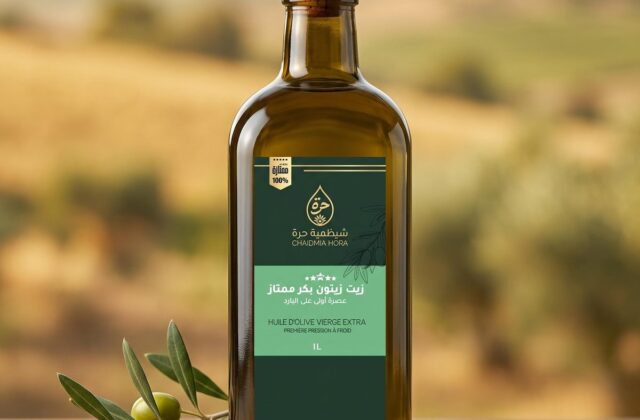
To taste the oil that comes from this work, you’ll find our extra virgin beldi olive oil in our shop, along with pure honey, amlou and argan oil. For all the breakfast essentials in one go, see the Beldi Breakfast Pack. Delivery to every city in Morocco, cash on delivery. For any question, message us on WhatsApp: +212682077365. And subscribe to our channel Chaidmia Hora to follow every season with us.
We went to the traditional camel-driven olive press at the Chiadma market: from harvested olives to beldi oil. The steps and a comparison with a modern press, on video.
Read the articleHow beldi argan oil is made by hand: cracking the nuts, roasting the kernels over the fire, grinding with a stone mill and kneading. Every step with our video.
Read the articleWhat is the difference between extra virgin, virgin and regular olive oil? What does “first cold pressing” mean? A simple guide to choosing and storing good olive oil.
Read the article